Case Studies
We’re proud of the innovative ways our customers support the people in their care. Discover their inspiring stories.

Confidence and Reassurance for Carers with Hearing Loss
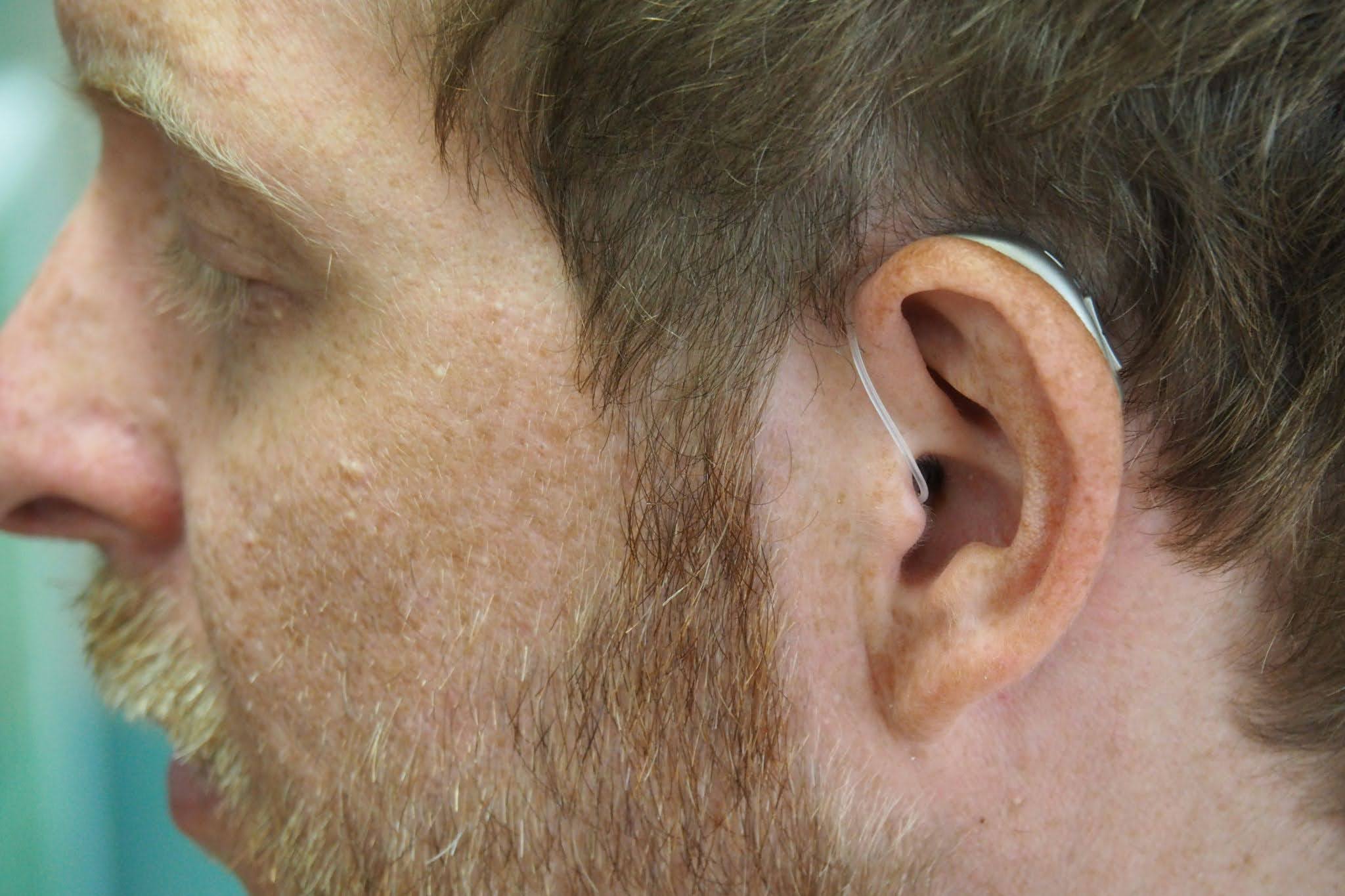
Heather had recently been discharged from hospital and wanted to return to her own home rather than move into sheltered housing. Her mobility was limited, so her son and daughter took turns staying with her overnight to ensure she was safe.
Heather’s son has hearing loss and often struggled to hear if his mother called for help during the night. Although they had an internal pager system, the audible alerts were not enough to wake him, leaving the family understandably anxious about overnight safety.
Creating a Safer Overnight Environment with the Vibe
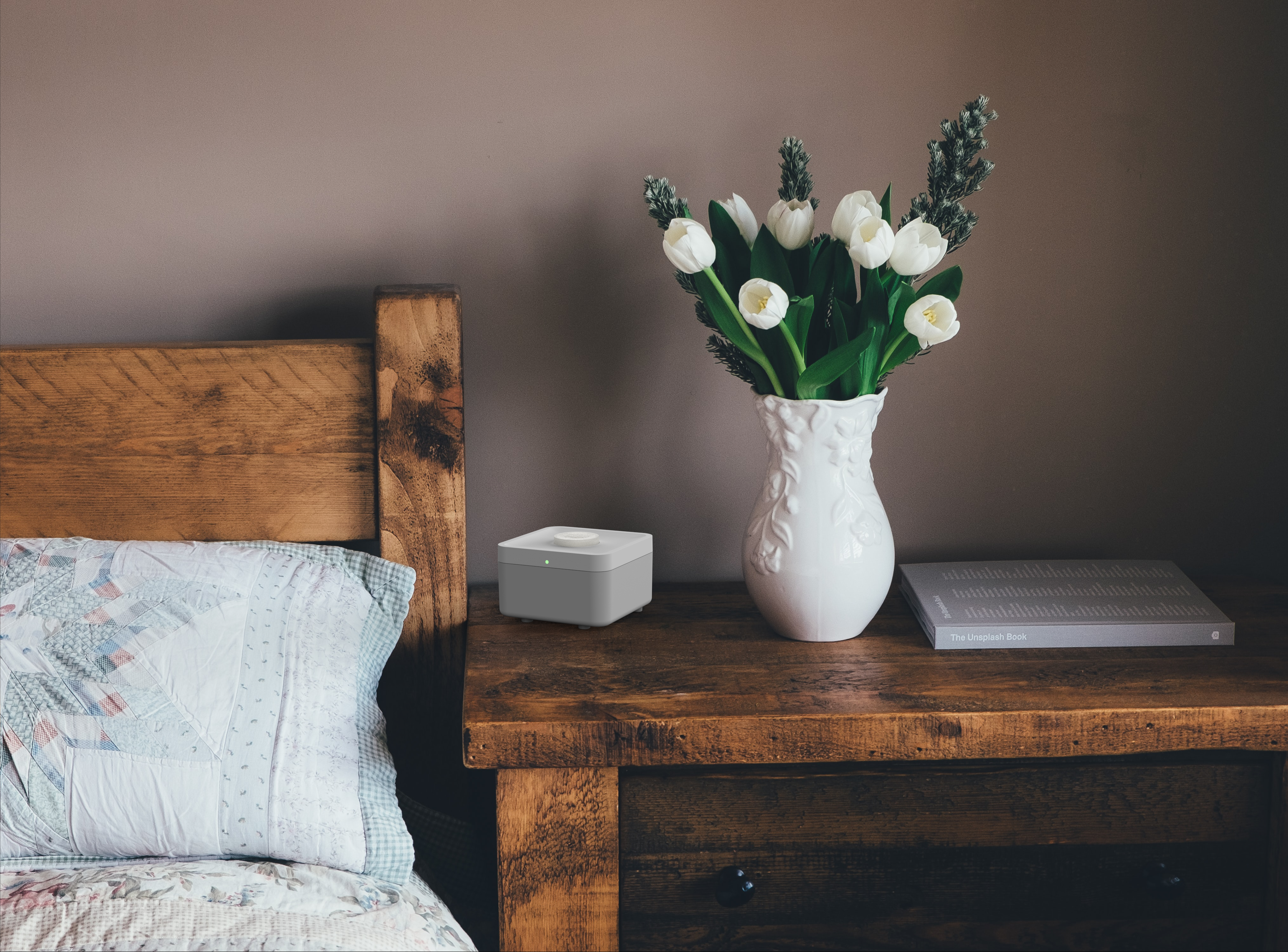
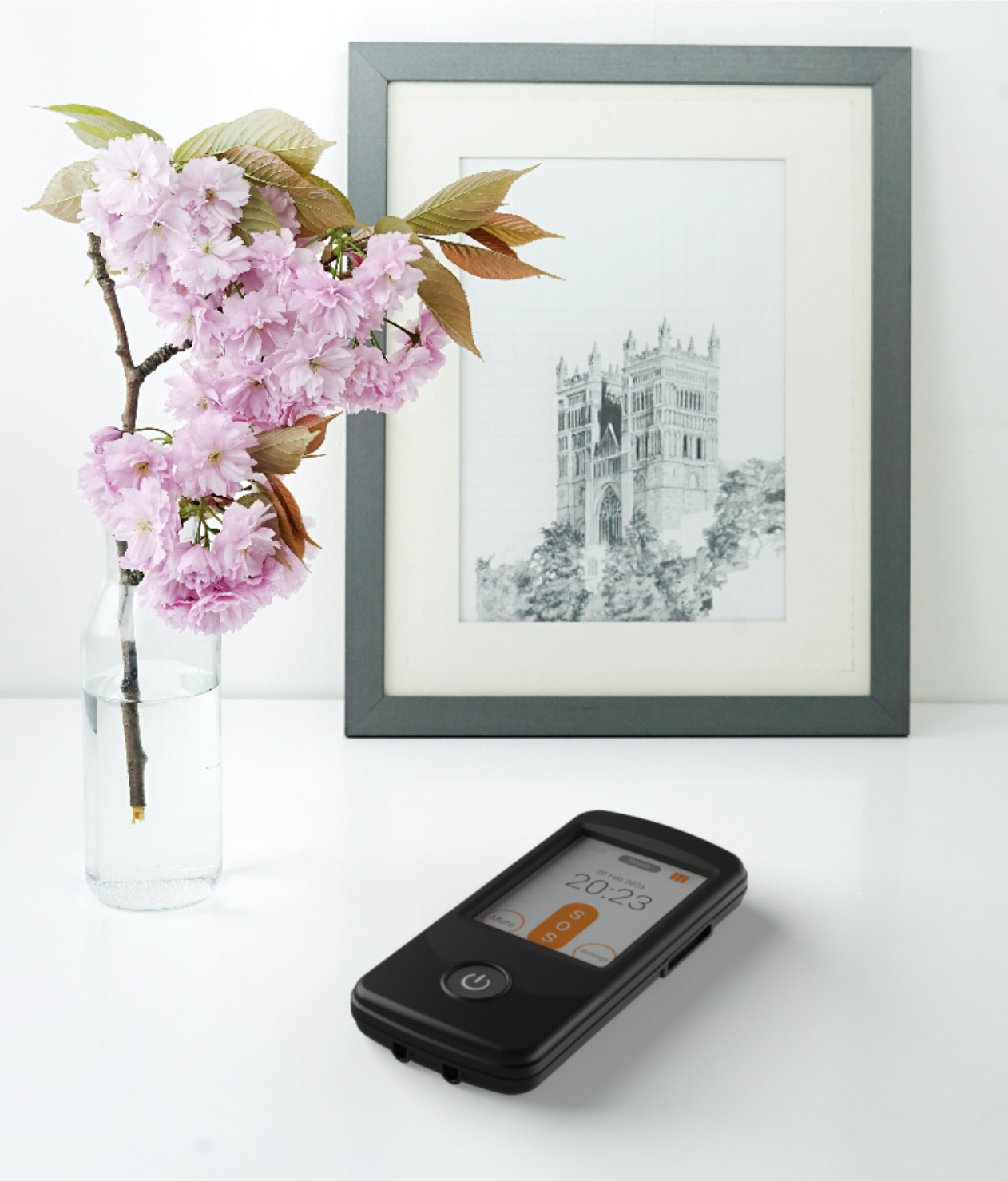
William has reduced mobility and, due to his health needs, currently sleeps downstairs in a hospital bed. He requires regular supervision and may need assistance during the night. His wife is his main carer and sleeps upstairs. She lives with hearing loss, which means she cannot always hear if William calls out for help. The couple wanted reassurance that they could continue living safely in their home, without compromising William’s wellbeing or his wife’s confidence as his carer.
Simple, Effective Safety for People with Hearing Loss
Mandy is profoundly deaf and lives independently. Because she could not hear her smoke alarms, there was a real risk that any activation might go unnoticed, which also caused unnecessary call-outs for her daughter. Mandy and her family wanted a solution that was reliable, simple to use and would give her confidence that she would be alerted immediately if a smoke alarm was activated.
Creating a Safer Environment for Families
In a family home, Jack lives with his mum, who experiences light-induced epilepsy, meaning that certain visual stimuli, such as flashing lights, can trigger seizures. Jack is also hard of hearing and plays a vital role as a young carer, helping to support his mum day and night. This unique situation presented a dual challenge: ensuring that both Jack and his mum could be safely and reliably alerted in the event of a smoke alarm activation, while also giving Jack a way to be notified when his mum needed help, particularly at night, without relying on visual alerts that could put her at risk.

Providing Safety and Reassurance to Carers
Brian lives at home with his wife, Sandra in the countryside, where they have lived for many years. Sandra is Brian’s main carer and she is able to manage most of his needs herself. One thing that is very challenging for them is that Brian has a history of walking with purpose, but sometimes gets lost. Although he normally only goes out with his wife, on occasions he tries to leave the house on his own via the front door and garden gate. This puts Brian at risk, and is a great cause of anxiety for Sandra.

Designing Person Centred Features to Support Targeted Care
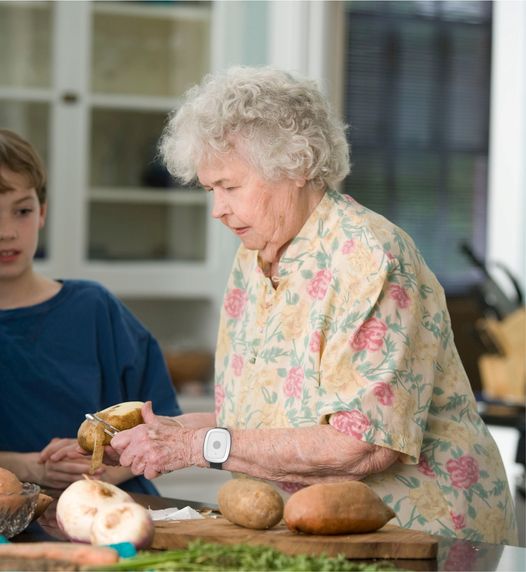
Doris is an elderly lady, living with dementia who lives in a supported living facility in the Wakefield district. The supported living facility reached out to Wakefield Council’s Technology Enabled Care team for assistance due to Doris frequently pressing her pendant when it wasn’t needed, generating hundreds of alerts each day. This impacted the staff’s ability to efficiently support other residents. By redirecting these alerts to the local monitoring centre, the facility aimed to manage Doris’s needs more effectively while ensuring continuous care for all residents.
Using Technology to Enhance Care Packages
Rhiannon and John are a married couple living in their own home in Pembrokeshire. Both long-standing customers of the Pembrokeshire Council Telecare service, they also have a large domiciliary care package in place. This includes a combination of support from their family and formal carers. Along with daytime visits, they also receive repeated sleep-in support two consecutive nights, followed by two nights of support from their family. Although the carers live-in on the days they support, when it’s the families turn, they are nearby but not within the property. A Social Worker recently carried an annual review of Rhiannon and John’s care, who highlighted that Telecare could be better utilised to support them.
Innovative Solutions to Manage Absconding Risks
Siân was being supported with a planned move to supported living accommodation. Siân had been cared for by her mum, who had become very ill before sadly passing away. Siân has very complex learning disabilities, mental health and emotional needs, which include a diagnosis of Down’s Syndrome and Affective Disorder. These factors contributed to issues with the placement after a settling-in period, with Siân absconding among the most challenging. Find out how we worked with the services supporting her to create a brand new concept wireless bed sensor which resulted in great outcomes for Siân.

Supporting Vulnerable Adults with Learning Disabilities
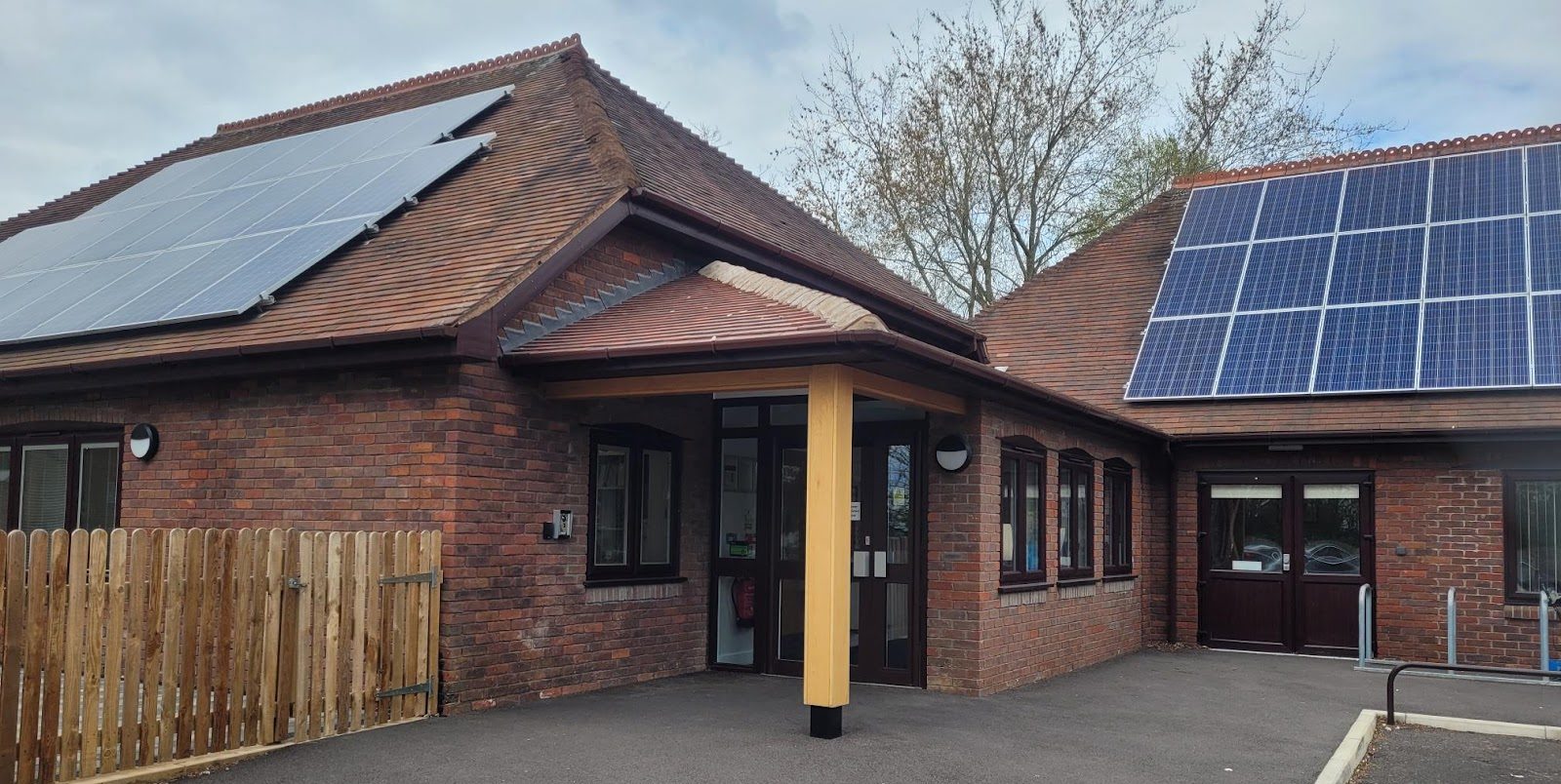
The Trees Short Breaks is a 12 bedroomed care service supporting vulnerable adults with a learning disability in the community of Hinckley in Leicestershire. In November of 2020 the building had undergone a full refurbishment. Cair’s Notifier portable receivers were chosen as the solution to receive alerts from sensors positioned around the property.
Working with Bridgend Council to Create the Onyx Rainbow
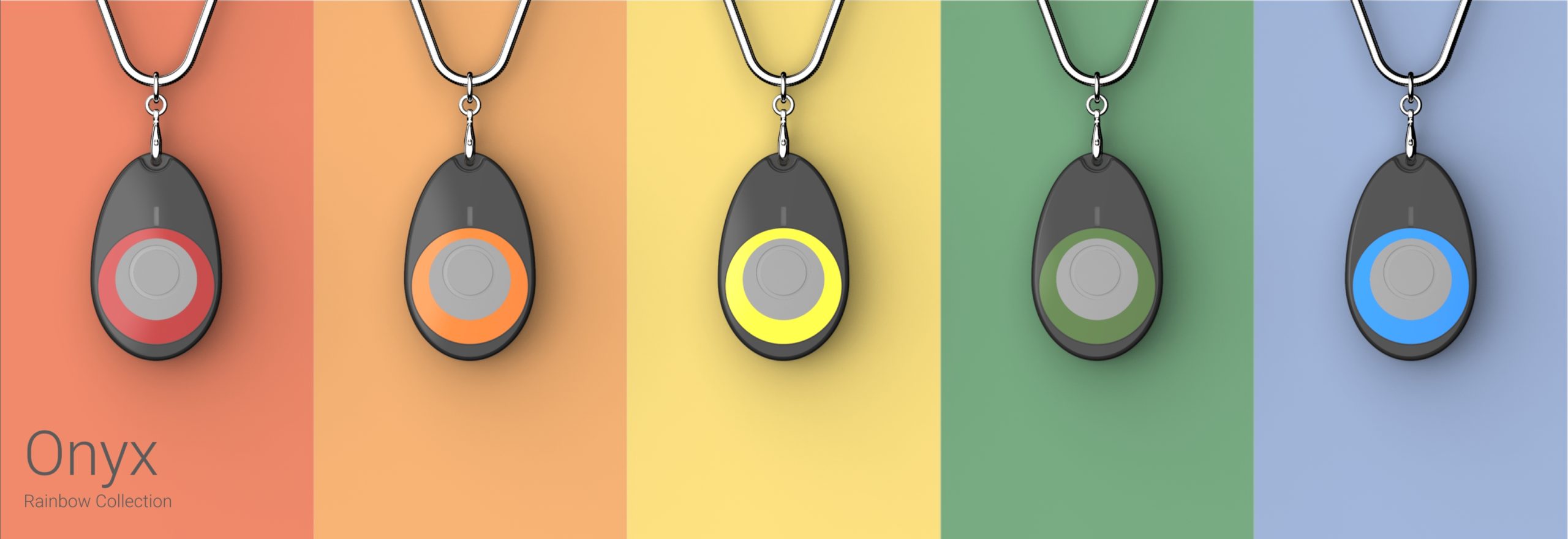
At Cair, we pride ourselves on staying ahead and are always looking to offer new and innovative solutions to your problems. We want to create solutions that are really needed and that we would all love to have in our homes, and from an idea proposed by Bridgend County Borough Council, the Onyx Rainbow was born.
Wigan Using Cair to Support Covid-19 Pandemic
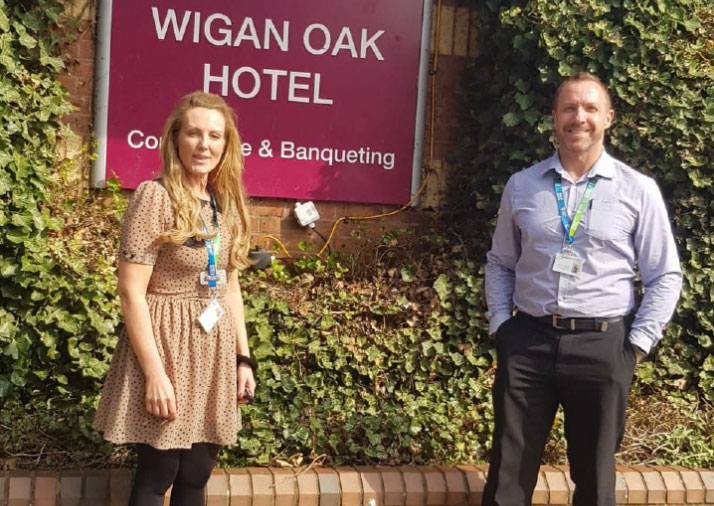
The Covid-19 crisis has seen a lot of people and places having to adapt to support the national effort, with conference centres, theatres and even football stadiums transforming their functions to become field hospitals to support patients battling against the virus. Even a Mercure Hotel, in Wigan has found itself swapping their usual business and weekend getaway guests to be a place for rest and recuperation for patients on their way home from hospital.